
Arizona Democratic Primary Election Outcomes: A Closer Look
The recent special primary election in Arizona’s 7th Congressional District has sparked a lively discussion among political observers and party insiders alike. Adelita Grijalva’s persuasive victory in a district known for its heavily Democratic leanings appears to signal not only a likely congressional win but also hints at deeper shifts in the party’s dynamics. In this editorial, we take a closer look at the events surrounding the primary, the tangled issues within the party’s hierarchy, and what this could mean for the future of Arizona’s Democratic politics.
At first glance, the result might seem straightforward: a candidate with strong local roots and a family legacy stepping forward at a critical time. However, when you dig into the subtle details of the election and the broader political landscape, you begin to see that the situation is loaded with hidden complexities and tricky parts that extend far beyond mere numbers on a ballot.
Internal Party Strife and Shifting Alliances in Arizona
While the election outcome is an encouraging sign for legislative continuity, it has also underscored the nerve-racking state of internal party dynamics. The dismissal of longtime party chairman Robert Branscomb—rumored to have been motivated by his ambition to challenge Arizona’s senior Democratic senators—has left many insiders wondering about the party’s short-term future and long-term strategy.
This internal upheaval has created an environment that is full of problems, and many are now asking, “How can the party find its way through these tangled issues without alienating its core supporters?” In the wake of these leadership changes, emerging voices within the party have increasingly relied on external advisors and independent campaign strategies to steer through the political landscape.
Key Factors Behind the Party’s Internal Reconfiguration
- Leadership Reshuffle: The removal of Branscomb from the party leadership has been a wake-up call. This change represents an attempt by the party’s top-elected officials to steer clear of self-serving ambitions and focus on unified electoral strategies.
- Family Legacies and Political Continuity: Adelita Grijalva’s primary win isn’t just a victory for her—it’s a testament to the power of personal and family legacies in politics, a quality that resonates with voters who crave both familiarity and fresh perspectives.
- Reliance on External Strategies: As internal party mechanisms seem to buckle under pressure, there has been a noticeable trend toward collaborating with independent campaign experts. This trend signals that the party may be willing to experiment with alternative methods to secure votes in upcoming elections.
Considering these factors, it becomes super important for the party to sort out its leadership priorities. The challenge now is to reconcile these internal divisions and figure a path forward that unifies not only the party elites but also the grassroots supporters who power the political engine throughout Arizona.
Evaluating the Impact of National Political Narratives on Local Elections
In addition to the state-level party turmoil, national political narratives continue to shape local perceptions. The discussion during the recent podcast episode even touched on off-putting national gossip—such as the swirling rumors surrounding the personal lives of political heavyweights like Barack and Michelle Obama. While these stories might appear tangential, they nonetheless influence how local voters view the broader political climate.
It is essential to note that this kind of national media buzz can create a sense of distraction that steers attention away from the real issues. Voters who might otherwise focus on policy details and the fine points of legislative proposals can become sidetracked by the more sensational aspects of celebrity and political gossip.
How Media Narratives Shape Electoral Priorities
- Focus Shift: When high-profile personal stories dominate the media, they can cause voters to overlook the small distinctions that define an effective political campaign.
- Emotional Resonance: Stories of family legacy, personal drama, and leadership battles often carry an emotional weight that can override more rational analyses of campaign platforms.
- Distracted Electorate: The resulting voter sentiment is sometimes less directed by policy issues and more by a general sentiment of confusion—making it all the more important for local candidates to drive the conversation back to actionable political points.
Whether it’s the off-putting hints of a celebrity divorce or the nerve-racking challenges posed by an internal party leadership crisis, these narratives play a critical role in shaping electoral outcomes by either energizing or disheartening the base. For Arizona Democrats, maintaining focus on key voter concerns while addressing these distractions will be a fine balancing act.
Arizona Democratic Party’s Future in an Era of Political Transformation
With the recent primary serving as a microcosm of larger national trends, the future of the Arizona Democratic Party now rests on the ability to adapt to rapidly changing political conditions. A growing number of party insiders seem to agree that it is crucial to both honor traditional political loyalties and to embrace innovative campaign strategies that reflect today’s fast-paced media environment.
This period of transition, loaded with issues and slight differences in ideological perspectives, demands that party leaders and strategists take a closer look at both the party’s message and its means of reaching voters. They need to get into the nitty-gritty of campaign tactics, voter outreach, and the development of authentic messaging that resonates on a personal level.
Key Challenges for the Democratic Party in Arizona
- Restoring Unity: With fractures emerging from internal disputes over leadership ambitions, one of the must-have strategies is to rebuild a sense of shared purpose. This means actively working to bridge the gap between traditional power brokers and emerging voices.
- Innovative Messaging: Traditional campaign plays may not be sufficient in an era where voters have access to a wide range of information sources. The party must figure a path through the maze of modern media to deliver a clear and compelling message.
- Effective Voter Engagement: As the election landscape becomes more intimidating and the political issues more tangled, the need for robust voter education and outreach programs grows even more critical.
Finding your way through these challenges requires a combination of old-school political savvy and modern digital techniques. This kind of blended approach, which values family legacy while exploiting new media tools, could be a game changer for the party in upcoming electoral cycles.
Strategies for Reorganizing and Strengthening Party Cohesion
The current situation in Arizona is not unique. Many political parties, on both major sides of the aisle, are experiencing similar internal shifts amid national turbulence. In these tense conditions, the ability to manage internal conflicts without losing sight of the core mission is super important.
For Arizona Democrats, several strategies can be adopted to shore up internal cohesion and address the confusing bits that have led to recent leadership crises. One approach is to bring more transparency into the decision-making process. By taking a closer look at the tireless work of local organizers, the party might integrate external viewpoints and rebuild trust.
Proposed Policy Adjustments and Organizational Measures
| Area of Focus | Suggested Strategy | Potential Outcome |
|---|---|---|
| Internal Communication | Create open forums and regular feedback sessions | Stronger unity and transparency |
| Leadership Structure | Implement merit-based selection processes | Clearer accountability and balanced representation |
| Voter Outreach | Develop tailored communication for diverse demographics | Increased voter confidence and engagement |
| Digital Strategy | Invest in robust online platforms with interactive content | Enhanced public engagement and voter education |
Such a comprehensive plan would not only address the current problems but also pave the way for a more inclusive and responsive party framework. By openly acknowledging the nerve-racking leadership transitions and the off-putting aspects of internal strife, party officials can start to mend the wounds of recent conflicts and set a new course for future success.
Lessons from the Podcast: Real-World Reflections on Political Change
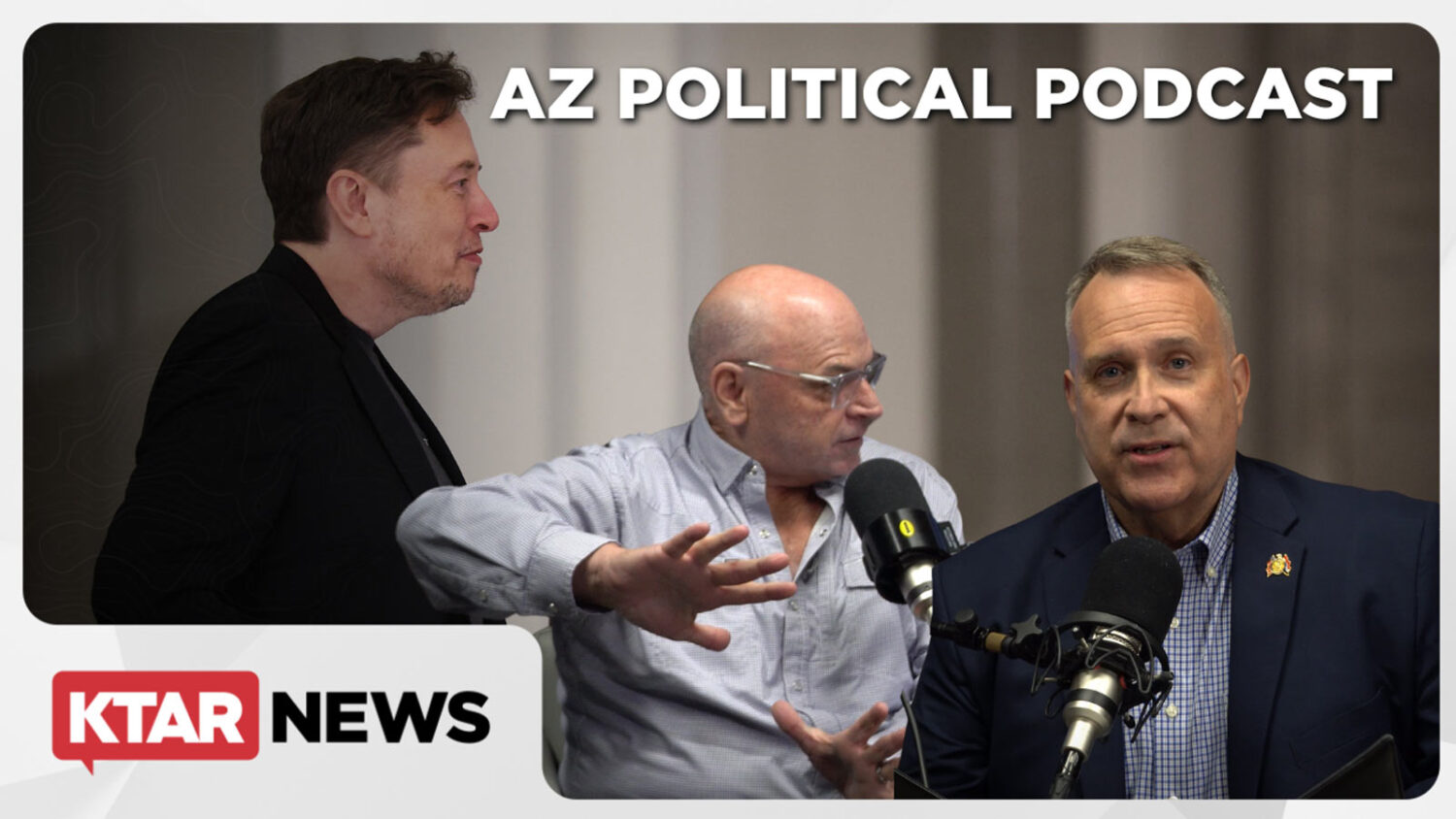
The recent episode of the AZ Political Podcast, featuring discussions with political consultant Stacy Pearson, has provided many with a much-needed inside look at the undercurrents influencing Arizona’s political scene. Pearson’s comments served as a reminder that political life is rarely black and white; instead, it is filled with subtle parts and slight differences that often determine the trajectory of an election.
In the podcast, Pearson laid out a layered analysis showing that while the primary election results are encouraging, the party must also address its internal divisions head-on. This appraisal is a call for all political stakeholders to dive in and tackle the nerve-racking issues with both bold vision and practical, well-thought-out strategies.
Insights Gleaned from Expert Dialogue
- The Impact of Legacy: The Grijalva family name carries significant weight, and its successful use during the election highlights the importance of intertwining tradition with new ideas.
- A Call for Reform: The podcast emphasized the need to update and streamline party practices—especially when faced with confusing bits such as ambiguous leadership roles and mixed messaging.
- Broader Political Implications: The discussion also touched upon broader implications for national politics, showing that even remote personal stories can create a distracting backdrop for serious electoral reform.
These insights suggest that while the party’s current condition might feel overwhelming, it also presents an opportunity. By steering through these tangled issues with an open mind and renewed focus on core values, the Arizona Democratic Party can reinvent itself and regain the trust of its electorate.
Maintaining Voter Trust in a Time of Political Uncertainty
One of the overriding challenges facing any political party in these times is maintaining voter trust. With major news outlets often dwelling on nerve-racking leadership disputes and sensational stories, it’s easy for the public to lose sight of substantive policy discussions.
To reconnect with voters, Arizona Democrats need to shift the focus from internal power struggles and media distractors to discussing the key issues that affect local communities. This means simplifying complicated pieces of policy into clear, relatable messages that both inform and empower voters.
Effective Tactics for Rebuilding Public Confidence
- Clear Policy Communication: Develop straightforward explanations of political platforms, using accessible language that demystifies the fine points of policy changes.
- Town Hall Meetings: Organize open forums where party leaders can engage directly with constituents. These sessions can help steer through twisted narratives and dispel misconceptions.
- Local Success Stories: Highlight examples of how Democratic policies have positively impacted local communities. Real-world examples work wonders in building trust.
- Responsive Leadership: Ensure that feedback from the grassroots is taken into account. The party must be seen as a body that listens and adapts rather than one swallowed by internal bickering.
These approaches, when executed well, can not only restore voter confidence but also create a more resilient foundation for the party moving forward. It’s all about recovering from an off-putting period of internal discord and focusing on concrete results that resonate with everyday Arizonans.
Looking Ahead: The Role of Technology and Digital Media in Political Mobilization
Modern political campaigns can no longer rely solely on traditional methods. The digital age has introduced a range of new tactics that, when used effectively, can help parties reach a wider audience and mobilize support more efficiently.
Given the nerve-racking challenges of today’s fast-evolving political landscape, it is super important for Arizona Democrats to embrace technology and digital media. These tools can help demystify confusing bits of policy and bring clarity to the myriad twists and turns of political strategy.
Digital Strategies for Enhanced Voter Engagement
- Interactive Platforms: Use social media and online forums to create a dialogue with voters. Live Q&A sessions, webinars, and interactive town halls can help reach a digitally savvy audience.
- Data-Driven Campaigns: Leverage analytics to understand voter behavior and tailor messages accordingly. This approach allows the party to identify subtle details in voter patterns and adjust campaign strategies in real time.
- Content Diversity: Diversify content by incorporating videos, podcasts, and infographics to explain policy matters. These formats can transform complicated pieces into digestible information for the public.
- Transparency Tools: Develop user-friendly websites and apps where supporters can track campaign promises, report issues, and see real-time updates on legislative progress.
These digital initiatives not only help sort out the fine shades between policy details and personal narratives but also allow the party to stay ahead in an ever-competitive media space. When voters see consistent, transparent, and engaging content, they are more likely to trust a party that appears proactive rather than reactive.
Drawing Conclusions: Embracing Change Amid Political Challenges
As we’ve seen from events in Arizona’s 7th Congressional District, political change is both inevitable and full of subtle parts that require careful reflection. The primary election, the internal management of party leadership, and the influence of national media narratives all paint a picture of a political environment undergoing significant transformation.
The Arizona Democratic Party stands at a crossroads. On one hand, Adelita Grijalva’s primary win is a promising sign that voters continue to support candidates with strong local ties and clear family legacies. On the other, internal reconfigurations, leadership disputes, and media distractions highlight the nerve-racking need for the party to reorient its priorities.
Steps Forward for a Resilient Political Future
- Embrace Internal Reforms: It is essential for party leadership to openly acknowledge the tricky parts and have an honest discussion about the internal issues that have been rattling voter confidence. Transparent reforms could pave the way for lasting unity.
- Invest in Voter Education: In a time when media distractions are plenty, focusing on clear and accessible explanations of policy is a must. Voter education campaigns can help bridge the gap between raw political strategy and day-to-day impact on community life.
- Adopt a Future-Ready Approach: Modernizing campaign methods by integrating digital tools and data analytics will not only help the party adapt to emerging trends but also serve as a model for other political organizations grappling with similar internal challenges.
- Foster a Culture of Accountability: Reinforcing accountability at every level of the party can help repair the trust that may have eroded during recent leadership conflicts. Creating regular avenues for feedback and dialogue between the party and its supporters is a step in the right direction.
In conclusion, the recent developments in Arizona aren’t just isolated political events—they are part of a broader movement toward greater accountability, transparency, and digital innovation in politics today. While the twists and turns ahead may indeed seem intimidating, there is also hope that these challenging bits will bring about a more unified and effective political force in the long run.
It is a time for political actors to steer through these complicated pieces of internal strife and external distractions with courage and a willingness to adapt. For many voters, the promise of clear, honest, and effective representation is the beacon that must guide the way in what could otherwise be a nerve-racking era of political instability.
Final Thoughts: Rebuilding Trust and Charting a New Path
The Arizona Democratic Party’s recent experiences serve as a reminder that political evolution is an ongoing process. Whether it is the outcome of a special primary election or the noisy debates played out in podcasts and media segments, every development carries with it an opportunity for introspection and growth.
By taking a closer look at the tangible impacts of leadership changes, digital transformation, and media narratives, both party insiders and voters can work together to number a path toward a more cohesive, transparent, and effective political system. In this increasingly interconnected age, every candidate, every campaign strategy, and every vote counts. The party’s ability to manage its way through these tricky parts is not only indicative of its resilience but also a litmus test for whether it can truly meet the needs and expectations of its evolving constituency.
For those willing to get into the nitty-gritty of the current political scene, there is much to learn. The mix of family legacy, internal reform, and modern campaign tactics offers a rich tapestry of lessons that can inform not just the future of the Arizona Democratic Party but also the broader national conversation on political reform. With clear strategies and a willingness to adopt new methods, the party has an opportunity—indeed, a super important one—to rebuild trust and shape a political narrative that is both modern and true to its traditional values.
In our ever-changing political landscape, challenges will remain, and distractions may always be just around the corner. Yet by addressing the tangled issues head-on and embracing both technological innovation and traditional outreach, there is a genuine chance to create a more energized, unified, and forward-thinking political culture that benefits all Arizonans.
This moment is not just about winning an election; it is about setting a benchmark for what political accountability and progressive leadership can truly look like in the face of adversity. With determination, transparency, and a robust digital strategy, the future of Arizona’s politics can be one that not only overcomes its current hurdles but also continues to thrive in the complex world of modern American governance.
Originally Post From https://ktar.com/jim-sharpe/az-political-podcast-stacey-pearson/5729449/
Read more about this topic at
Arizona Dems oust their party chair
Arizona Democrats oust embattled chair amid party turmoil