
Arizona Special Election: A Close Look at Changing Political Tides
The Arizona special election for the 7th Congressional District is shaping up to be far more than a routine contest. With a legacy candidate facing unexpected challenges from a Gen Z political organizer, this contest is stirring up some real talk about legacy politics and the nation’s appetite for change. In this analysis, we’ll take a closer look at the candidates, campaign spending, and where voter sentiment appears to be heading as we work through the twists and turns of what may yet be a surprising upset.
Background: From a Family Legacy to a New Generation
Adelita Grijalva launched her campaign leveraging her well-known family name and her own history in public service. Her father, Congressman Raul Grijalva, was recognized for his outspoken progressive views and served in Congress for over two decades. His career, marked by its appealing progressive messaging, left behind not only a significant political legacy but also some tricky parts for his daughter to navigate in stepping into his role.
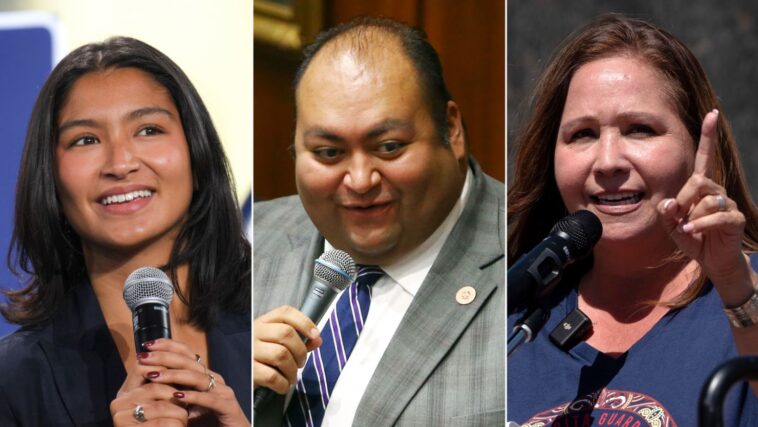
Grijalva’s resume includes serving on Tucson’s school board and winning a seat on the Pima County Board of Supervisors – both roles previously held by her father. Her campaign initially appeared to be on firm footing, buoyed by endorsements from influential politicians and organizations. However, unexpected competition has emerged in the form of 25-year-old Deja Foxx, a progressive organizer with a robust social media presence, as well as former state Representative Daniel Hernandez.
This dynamic pits a candidate steeped in history against challengers symbolizing change, forcing voters to weigh the comfort of legacy against the appeal of new faces. It’s a scenario ripe for debate about what it means to represent a district, particularly when much of the electorate is looking for a break from the past.
Candidate Profiles and Key Differences
To understand the election better, it helps to compare the strengths and backgrounds of the three main candidates vying for the nomination. The table below summarizes some of the key details:
| Candidate | Background | Key Endorsements/Support | Polling Snapshot |
|---|---|---|---|
| Adelita Grijalva | Legacy candidate with extensive public service experience | Endorsed by veteran politicians, pro-choice groups, influential labor unions | Initial polls showed a strong lead (49-11 vs. Hernandez) but recently narrowed (43-35 vs. Foxx) |
| Daniel Hernandez | Former state Representative; tried for Congress before | Support from traditional Democratic circles | Polling numbers low compared to the other contenders |
| Deja Foxx | Young progressive organizer with a large social media following | Backed by progressive activists and outside groups investing heavy resources | Early polling placed her at about 5%, later data indicates a tightened race with a 35% showing against Grijalva |
These details show that while Grijalva entered the race with significant built-in advantages, the political landscape is shifting. Foxx’s emergence and the accompanying polling that shows a much narrower contest between her and Grijalva indicate that voters, especially those ready for a generational change, may be leaning toward a challenge to the established legacy.
Campaign Spending: Third-Party Ads and Outside Spending Influence
One cannot talk about modern election dynamics without examining the role of campaign funding and outside support. In this contest, each candidate has seen different patterns of expenditure, raising questions about the influence of third-party funding. Here are some of the key points:
- Grijalva’s camp has spent over $650,000 in advertised support, with nearly $250,000 coming from a new super PAC known as Progressive Promise.
- On the other hand, Foxx has received close to $250,000 in outside spending; notably, $150,000 of that was channeled towards digital ads by Leaders We Deserve, the organization set up by activist David Hogg.
- Hernandez’s campaign appears to have less momentum and relatively limited external backing, positioning him as the lesser threat in the current evaluation.
These fundraising figures underscore the contrasting financial profiles and priorities of the candidates. The infusion of money not only helps to drive ad placements but also influences voter perceptions about viability and momentum. Third-party spending, in particular, can serve both to amplify a candidate’s message and to cast doubts about a candidate’s independence. In Grijalva’s case, groups such as the Congressional Progressive Caucus and the Working Families Party have stepped in, while Foxx’s supporters strategically used their resources to narrow her disadvantage in early polls.
Generational Shifts: The Impact of Younger Voices in Politics
The political arena in Arizona is increasingly seeing a generational clash. On one side is Adelita Grijalva, whose deep political lineage is as comforting to some voters as it is a symbol of an era. On the other is Deja Foxx, a candidate whose youth and digital savviness signal a readiness to break from traditional political routines. This generation gap is one of the central topics in the contest and is replete with implications for both the district and the nation.
Foxx’s supporters argue that the political establishment is too enamored with legacy names, urging voters to consider the benefits of a fresh perspective. As one commentator recently put it, “People are hungry for change candidates, and they’re tired of legacy last names.” This viewpoint is essential as it not only challenges established norms but encourages the electorate to poke around the fine points of political tradition and change.
At a time when many voters feel overwhelmed by the service history of past generations and are eager to inject new ideas into Washington, Foxx’s campaign illustrates how quickly a new voice can gain momentum, especially in a district that has long relied on stable leadership. The generational appeal is being further amplified by the use of social media platforms, where messaging can be tailored to emphasize transparency, authenticity, and modern strategies for public engagement.
Outsider Spending and Its Effects on Voter Sentiment
Although both major candidates have access to hefty sums through allies and PACs, there is growing concern about the role of outsider spending in diluting or directing the political discourse. For instance, the deployment of more than $200,000 from Tucson Families Fed Up—primarily on negative ads aimed at Grijalva—highlights how external money can stir controversy.
A press release from the Congressional Hispanic Caucus criticized what it saw as an attempt to disenfranchise Latino voters. The group claimed that outside interference might undermine Latino representation, given that 60% of the district’s population is Latino. While some voters view outside spending as a necessary investment in ensuring competitive races, others question whether such expenditures are making it harder for homegrown voices to get elected without external pressures.
This debate is not new but has taken on added significance in districts like Arizona’s 7th, where the historical representation by Latino leaders creates an expectation of a particular set of values. Critics of outsider spending argue that it risks muddying the waters by introducing interests that may not align perfectly with local concerns. In an era where money can heavily influence public debate, understanding these dollars and cents becomes super important in decoding the ultimate selection made by voters.
Impact on Latino Representation and Legacy Politics
One of the essential topics in this election is the question of representation for a community that has been historically underrepresented in Congress. Given that the 7th District is predominantly Latino, the contest has naturally taken on deeper cultural significance. The Congressional Hispanic Caucus’s outcry against certain PAC activities signals the complex mix of pride in legacy and caution about new political tactics.
Adelita Grijalva’s connection to her father’s long and storied career forms a narrative of continuity and representation that many voters value. However, this legacy is being challenged by voices who argue that it’s time for a generational shift, insisting that political success is not solely defined by familial ties. The competing perspectives reveal a sharply divided electorate: one side looks for the reassurance of experience; the other is eager to see modern approaches for addressing today’s tricky and tangly issues.
This debate neatly encapsulates the tension between the comfort of long-established political families and the desire to inject fresh ideas into the decision-making process, a competition that is as much about cultural identity as it is about policy. Both the reassurance of a name steeped in history and the bold promise of change are being vigorously marketed, making it a nerve-racking challenge for candidates who need to earn deeply rooted trust in a rapidly evolving political landscape.
Examining the Advertising Landscape and Messaging Strategies
Advertising has become one of the primary battlegrounds in modern elections, and the Arizona primary is no exception. Grijalva’s camp has benefited from being the only candidate to receive third-party TV ads from high-profile groups, which not only fortifies her message but also creates an aura of credibility and establishment support. According to recent reports, political allies have poured substantial funds into ad buying, aiming to reach voters both online and offline.
Below are some of the key elements of the advertising strategy:
- Third-Party Television Ads: These ads have helped keep Grijalva’s image polished and associated with established causes. The backing by groups like the Congressional Progressive Caucus adds a layer of trust for a segment of the electorate.
- Digital Ad Campaigns: Leveraged primarily by Foxx’s camp, digital ads are targeted towards younger voters and those active on social media. The precision of these ads may help sway the opinions of those who are tired of conventional politics.
- Negative Advertising: The infusion of funds by Tucson Families Fed Up, aimed at weakening Grijalva’s message, represents another twist in the tactical playbook of political contests. Negative ads, if too aggressive, carry the risk of alienating voters, but they can also serve to remind an electorate that no candidate is immune to critique.
These strategies are designed to shape public perception, not just in terms of candidate viability but also in setting the tone for what the voters expect from their future representative. As we figure a path through this chaotic expenditure landscape, it’s clear that the advertising war is just as significant as any debate on policy.
Political Endorsements and Momentum: The Role of Influential Backers
In any contest, endorsements carry a symbolic weight that can sway voter sentiment, and this race is no different. Grijalva’s campaign has secured cross-state endorsements from influential figures such as both of Arizona’s U.S. senators and even Vermont Sen. Bernie Sanders. These endorsements have long been considered a super important indicator of a candidate’s standing within the party establishment.
Yet, despite such marquee endorsements, the tight polling numbers tell a story of a shifting electorate. The ability of Foxx to close the gap—moving from five percent to a competitive 35 percent in some polls—signals that endorsements alone may not guarantee electoral safety. Voters are increasingly looking at the overall package: the ideas, the relevance of policy, and the image that each candidate projects. When well-known backers endorse a candidate, it’s meant to provide assurance, but it also raises questions about independence and fresh thinking in what many see as a time for a generational reboot.
Endorsements, while providing momentum, also serve as markers of alignment with specific policy agendas and ideological leanings. Whether voters see these endorsements as a sign of deep-rooted experience or as an echo of an old political order remains to be seen. Ultimately, voters will have to decide whether legacy is an asset or whether a new perspective is worth the risk in a district that has historically relied on traditional political representation.
Voter Turnout in a Mail Voting Era and Its Implications
One of the interesting dimensions of the Arizona primary is the role of mail voting, a system that has been widely adopted in the state and is now central to the election process. Early voting and mail ballots imply that many voters have already cast their votes, setting up a scenario in which last-minute campaign moves might have a muted impact on the final result.
Given the high temperatures expected on election day, combined with a heavily mail-based voting system, the race is likely to see a lower turnout than in typical primary elections. While low turnout can preserve the status quo by benefiting well-known candidates, it can also introduce an element of unpredictability if the unconventional voters are more motivated by the promise of change.
This mail voting dynamic has important implications for understanding how prepared a district is to embrace either the comfort of legacy candidates or the bold promise of change. With the current polling data signaling a tightening race, every bit of voter mobilization and turnout strategy matters. The nuances of mail-in ballot management and voter education about the process remain critical factors, especially when new voters are trying to steer through the sometimes confusing bits of the electoral process.
Generational Change and the Push for Constitutional Representation
The generational dimension of this contest is reflective of a broader trend in American politics, where the push for new ideas is often pitted against established traditions. In districts like Arizona’s 7th, the electorate is faced with a choice between a candidate who embodies time-tested political experience and one who represents a break away from the old guard.
For many voters, especially younger ones, the promise of fresh perspectives is both appealing and intimidating. Change, even when it is seen as positive, comes with its share of tangled issues and uncertainties. The idea that Grijalva’s significant track record might simply be a holdover from a previous era is a point of contention. Meanwhile, Foxx’s vibrant campaign, marked by aggressive digital outreach and appeals for a break from establishment politics, challenges long-held loyalties and stirs debate about who truly represents the modern voter.
The conflict between a trusted family legacy and a dynamic call for new blood is filled with subtle details that can influence voter decisions—whether they trust the legacy of experience or are swayed by the promise of a change that aligns with evolving political priorities. In a district that prides itself on being a major hub for Latino representation, this debate takes on extra significance, prompting a reexamination of what true representation in Congress means in today’s era.
Analyzing Key Issues Through a Voter’s Lens
While campaign expenditures, endorsements, and polling data provide an important backdrop, the real story lies in how these factors translate into the day-to-day concerns of voters. Let’s take a closer look at some of the issues that are likely resonating with the electorate:
- Representation and Legacy: For many constituents, having a representative who comes from a historically influential political family offers comfort. However, this same legacy might also be interpreted as being out of touch with the pressing needs of modern society.
- Economic and Social Priorities: Voters are concerned about how effectively their representative will handle issues such as housing affordability, healthcare, and education—areas where federal support is often critical.
- Digital Engagement and Transparency: In this era of social media and instant communication, how candidates interact online and manage digital communities is of growing importance. Foxx’s digital campaign strategy, which actively engages younger voters, shows that modern political debates are increasingly being fought in the virtual arena.
- Outside Influence and Integrity: Many voters are wary of the large sums of money directed by outside groups. They are asking tough questions about whether this money is shaping the message more than the candidate’s own policy positions.
The interplay of these issues creates a textured political narrative where every small twist in campaign strategy or voter sentiment can tip the scales one way or another. It’s a reminder that elections are not just contests of dollars and names—they are tests of ideas and the underlying trust between representatives and those they serve.
Future Implications: What a Grijalva or Foxx Win Means for the District
Regardless of the outcome of the primary, the eventual contest set for September 23rd is destined to be closely watched. A win by Adelita Grijalva would reaffirm the strength of legacy politics in a traditionally blue district, while a breakthrough by Deja Foxx might signal a broader willingness among voters to embrace modern political approaches and challenge long-held traditions.
Here are some possible implications for each scenario:
-
If Grijalva Wins:
- Continuity of established policies and a connection to the long political lineage of her family.
- Steady support from influential organizations and political figures that already back her campaign.
- A likely easier path in the general election due to name recognition and integrated support networks.
-
If Foxx Wins:
- A signal that the electorate is ready for a generational transition and a departure from established political norms.
- A campaign marked by dynamic digital outreach and a promise to tackle issues with fresh ideas.
- An indication that outside spending and modern campaigning techniques can successfully challenge legacy figures.
Both scenarios illustrate the fine shades in voter preference that can redefine what representation means for the district. Whether the voters continue a tradition or opt for bold new leadership, the choice they make will reverberate far beyond Arizona, reflecting national trends that are reshaping the political landscape.
Historical Context: How Special Elections Reflect Broader Political Trends
Special elections have long served as critical barometers of public sentiment, offering a snapshot of what voters expect from their representatives and where the nation might be headed. The Arizona special election is no exception. In recent years, similar contests have highlighted the electorate’s appetite for change – a move that occasionally challenges the comfort of established names.
Historically, these races have been full of problems and loaded with tension, as voters sift through the little details of each candidate’s platform. With a district that has consistently voted for Latino representatives since it was redrawn after the 2000 census, this contest also carries the weight of historical identity and expectations.
Over time, special elections provide insight into the subtle shifts that occur when established influences are combined with modern campaigning strategies. The current scenario in Arizona, with its blend of heavy spending, outside influence, and a generational shake-up, offers a mirror to broader national trends that many other districts may soon experience.
Comparative Analysis: What Other Races Tell Us About This Election
It is useful to compare the situation in Arizona with other recent races around the country. In several states, established incumbents have faced populist or progressive challengers who have, against the odds, closed significant gaps in polls that at first seemed safe for the status quo.
For example, races in deeply Republican or swing districts have seen candidates with no previous legislative experience come forward and gain traction through savvy digital campaigns and substantial outside expenditures. These contests illustrate that while money and legacy names remain important, issues such as new ideas, responsiveness to social media, and grassroots mobilization have become equally critical.
The growing relevance of these factors suggests that candidates who ignore the power of modern digital engagement or who rely exclusively on their traditional base may find themselves at a disadvantage. Voters are increasingly looking for representatives who can effectively make their way through both the traditional media landscape and the new, fast-paced world of online interaction.
In Arizona, the interplay of these diverse strategies is creating a delicate balancing act. The lessons from other contested races nationwide reinforce that a candidate’s ability to adapt to the evolving political climate is key to overcoming both the intimidating legacy pressures and the nerve-racking competition of contemporary electoral politics.
The Role of Policy: Beyond the Campaign Soundbites
While much of the campaign has revolved around endorsements, advertising budgets, and generational divides, voters are equally interested in policy details – the essential issues that will define the future of the district. Beyond the heated contest of names and money, there remains a need to address the day-to-day problems that constituents face.
Several key policy areas have emerged as particularly salient:
- Housing and Infrastructure: With many voters concerned about escalating housing costs and the need for more affordable solutions, candidates need to articulate plans that are realistic and responsive. This is one of those areas where practical, step-by-step plans are seen as absolutely crucial.
- Healthcare and Public Services: The ongoing debates about the future of healthcare, particularly in communities that have long been underserved, demand a candidate who can clearly chart a path that balances progress with fiscal responsibility.
- Economic Resilience and Job Creation: Many in the district are looking for new approaches to boost economic opportunities, particularly in a country where job markets are rapidly changing due to technology and globalization.
- Environmental and Social Justice: Emphasizing environmental protection and sustainable practices resonates with a segment of voters who see these issues as intertwined with broader questions of social equity and long-term planning.
The debate in this special election goes beyond campaign soundbites; it touches upon the very policies that will shape the district’s future. Whether a candidate emerges as a champion of heritage and continuity or as an advocate for radical change, the policies they propose must address the nitty-gritty of daily life – from keeping neighborhoods safe and affordable to ensuring that economic development does not come at the expense of environmental stewardship.
Strategies for Engaging a Diverse Electorate
One of the most challenging aspects of modern elections is figuring a path that connects with a diverse electorate. In Arizona’s 7th District, where nearly 60% of the population is Latino, preserving an inclusive political dialogue is of super important consequence. A few strategies that candidates must consider include:
- Active Community Outreach: Engagement through town halls, community centers, and local forums helps ensure that policies are not developed in a vacuum.
- Multimedia Communication: Utilizing social media, local television, and radio broadcasts enables a broad and diversified outreach, ensuring that both digital natives and traditional voters can access campaign messages.
- Tailored Messaging: Recognizing the small distinctions among different demographic groups can help candidates choose the right language, emphasizing either continuity or change as needed.
- Transparent Financing: Given the contentious debate about outside spending, clear communication about funding sources and expenditure priorities can help build trust with voters.
Each of these approaches addresses some of the challenging parts of modern campaign management. When candidates actively get into the nitty-gritty of how they plan to work with communities, they not only showcase their leadership but also demonstrate a genuine interest in meeting the practical needs of their constituents.
Weighing the Pros and Cons: A Voter’s Checklist
For voters now trying to sort out an election that is both legacy-laden and charged with aspirations for change, a checklist might help clarify which candidate aligns best with their priorities. Consider the following factors:
- Experience vs. Innovation: How much value do you place on a candidate’s long history of service compared to fresh, new ideas?
- Policy Proposals: Do the candidate’s plans for economic growth, healthcare, and housing address your own community’s pressing needs?
- Campaign Transparency: How clear are the candidates about where their campaign funding comes from, and how does that money influence their messaging?
- Community Connection: Which candidate shows a stronger, more genuine connection to the local issues and cultural heritage of the district?
- Digital and Traditional Engagement: Does the candidate cater to both younger and older voters through a blend of modern digital outreach and proven traditional methods?
This checklist exemplifies the little twists and turns voters face as they make a choice. It isn’t simply a matter of picking a name; it’s about evaluating how each candidate’s vision fits with the needs, values, and aspirations of the community.
Looking Ahead: The Implications for the General Election and Beyond
While Tuesday’s primary is crucial in determining the nominee for the special election, the decision made by voters will also have lasting implications. Regardless of which candidate emerges victorious in the primary, the general election scheduled for September 23rd is likely to see a strong favorite emerge, especially given the district’s longstanding Democratic leanings.
However, the candidate who secures the nomination will also be facing voters for a full term in the subsequent election cycle. This means that the selected representative will need to maintain an ongoing connection with the evolving demands of the electorate far beyond the initial upset or victory. The nuances of this challenge include:
- Long-Term Policy Implementation: The eventual officeholder must balance immediate action with comprehensive policy planning that can withstand shifting political winds in a district known for its distinct cultural and socioeconomic makeup.
- Building a Broad Coalition: With a diverse electorate in the district, the candidate will need to cast a wide net, ensuring that all communities feel represented and engaged.
- Adapting to New Political Realities: Whether legacy or new blood wins the primary, future governance will depend on the ability of the representative to work through the tangled issues that arise from merging traditional political mechanisms with modern expectations.
As we look ahead, one thing is clear: the political landscape is at a pivotal moment. The outcome in Arizona’s 7th District not only signals the potential for a groundbreaking upset but also sheds light on broader national trends. The race acts as a microcosm, a reflective snapshot of an evolving democracy where legacy, innovation, and community values are in constant dialogue.
Conclusion: A Crossroads for Representation and Political Change
In conclusion, the special election in Arizona’s 7th Congressional District is emblematic of the many nerve-racking decisions faced by modern electorates across the nation. As voters weigh a trusted legacy against the promise of a new generation, the election stands as a testament to the ongoing debate over what makes effective representation. With heavy spending from established PACs, innovative digital campaigning, and a powerful generational message, this contest forces us to get into the finer details of political identity and strategic priorities.
Whether one prefers the familiarity of a long-standing political name or is enticed by the dynamic energy of a youthful challenger, the outcome of this race promises to offer insights into how traditional politics and contemporary ideas can coexist—or collide—in our current democratic system.
For those trying to sort out the decisions in a world of confusing bits and tangled issues, this election provides an important reminder: the path forward is rarely straightforward. Instead, it demands a willingness to figure a path through both established traditions and modern innovations. Eastern endorsements, extensive ad spending, and emerging generational voices all play their parts in shaping what could be one of the most closely watched primary contests of the year.
As the voters of Arizona’s 7th District head to the polls, they are not just casting votes for a congressional seat – they are making a statement about the type of political future they desire. With the legacy of the past meeting the promise of the future, this election is a vivid example of how each ballot cast carries both the weight of history and the opportunity for meaningful change.
In a nation where political contests continue to evolve, elections like this serve as a reminder of the central role of community connection and clear, transparent governance. It remains to be seen whether the safety of a legacy candidate or the audacity of a young challenger will prevail, but what is clear is that the road ahead is loaded with both promise and challenging parts that will require all sides to steer through the complexities of modern democracy.
Ultimately, the true test for candidates will be measured not only by the speed at which they can mobilize funds or secure endorsements but also by how effectively they connect with the everyday realities of their constituents. As this contest unfolds, we are reminded that the real power in any election lies with the voters – those who must balance history, innovation, and tangible policy action to choose a representative who can serve their community for years to come.
By keeping an eye on both the critical policy details and the practical elements of campaign strategy, Arizona’s 7th District is setting the stage for a new chapter in political representation. For citizens, political observers, and candidates alike, this election is a clear demonstration that change is both necessary and inevitable—even when it arrives in the form of unexpected challenges to established legacies.
As this closely watched contest continues to evolve in the coming weeks, it will undoubtedly serve as a learning experience not only for Arizona but for the broader national dialogue on how best to honor the past while forging a bold, inclusive future. In these tense and transformative times, every vote has the potential to redefine the boundaries between heritage and progress, ensuring that the representative who emerges is well-equipped to handle the real-life, day-to-day issues that affect the lives of millions.
We invite readers to continue engaging with the conversation as the special election unfolds, keeping in mind that this is more than a contest for a congressional seat – it is an opportunity to redefine what leadership means in a rapidly changing society. The combined influence of tradition, modern technology, and grassroots advocacy reminds us that the journey to effective representation is, and always will be, a balancing act full of unexpected turns and fine shades of meaning.
In the end, as voters get around to making their choices, the hope is that the final outcome will reflect a deep and inclusive understanding of community needs—one that honors both the hard-won progress of the past and the promise of innovative ideas for the future.
Will the legacy candidate, with all the reassuring hallmarks of experience, continue to represent the district? Or will a charge of youthful energy and modern ideals pave the way for a refreshing change? Only time will tell, but one thing is for certain: in this election, every vote casts light on the evolving nature of democratic representation in America.
Originally Post From https://www.the-downballot.com/p/morning-digest-an-upset-may-be-brewing
Read more about this topic at
An upset may be brewing in an Arizona special election
An upset may be brewing in an Arizona special election