Political Scandals and Their Ripple Effects on Leadership
Recent headlines have shone a light on the personal lives of public figures, and the unfolding affair involving South Tucson Mayor Roxanna “Roxy” Valenzuela and former New York Mayor Bill de Blasio has stimulated a wide array of opinions. In today’s opinion editorial, we get into the tangled issues that arise when personal relationships and public service intertwine, as well as the legal and social implications that come along with such high-profile relationships.
The story, which has been widely reported by various news organizations, reveals a scenario that is as full of problems as it is intriguing. When public figures engage in relationships that overlap with previous commitments, the issues that arise are both confusing and nerve-racking—not just for the individuals involved, but also for the communities they serve.
A Closer Look at the Key Figures and Their Histories
Mayor Roxanna “Roxy” Valenzuela of South Tucson has emerged into the spotlight not solely because of her administrative decisions but also due to her personal life coming under public scrutiny. Valenzuela, known for her affiliation with community organizations such as the Casa Maria Catholic Worker Community, has cultivated a reputation for addressing local issues head-on. However, her recent involvement with former New York Mayor Bill de Blasio adds a new layer of complexity to her public persona.
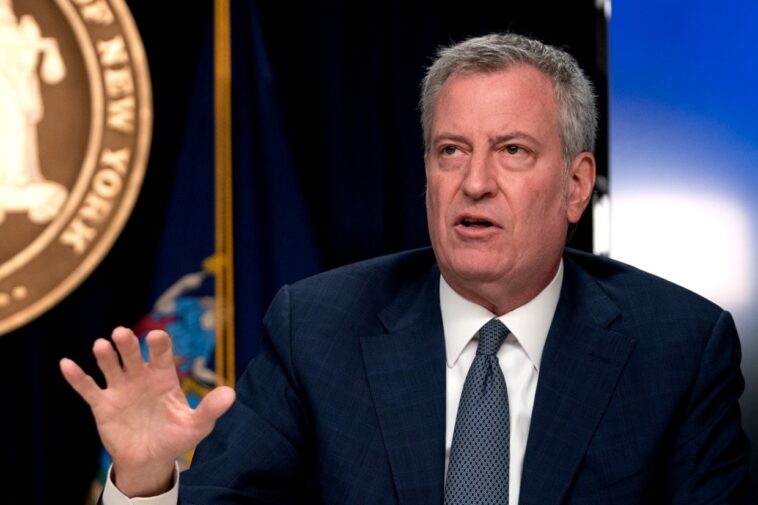
Bill de Blasio, whose tenure as New York’s mayor was marked by progressive policies and intense media attention, has been no stranger to controversy. Although he separated from his wife, Chirlane McCray, in 2023 without finalizing a divorce, he has continued to engage in extramarital affairs. His current relationship with Valenzuela, coupled with not-so-distant reports of past liaisons, situates this story firmly within the realm of personal affairs that circulate widely in political journalism.
Adding another twist to the narrative is Nomiki Konst, a New York progressive activist with strong roots in Tucson. Konst, who served as de Blasio’s girlfriend before he became involved with Valenzuela, brings additional intrigue given her own political and media credentials, having once been associated with “The Young Turks” podcast and a brief congressional run in Arizona.
Mapping Out the Web: A Table of Relationships and Key Events
| Individual | Role/Position | Key Relationships | Notable Affiliations |
|---|---|---|---|
| Roxanna “Roxy” Valenzuela | South Tucson Mayor | In a relationship with Bill de Blasio | Casa Maria Catholic Worker Community |
| Bill de Blasio | Former New York Mayor | Currently involved with Valenzuela; previously involved with Nomiki Konst and Kristy Stark | Gerald R. Ford School of Public Policy, residence policymaker; affiliated with University of Michigan |
| Nomiki Konst | Progressive Activist | Former girlfriend of Bill de Blasio | Briefly ran for congressional office in Arizona; co-chaired Obama’s re-election campaign |
| Kristy Stark | Former entrepreneur, now an academic | Had an affair with Bill de Blasio during a reported divorce phase | Founded a behavioral company; later joined University of Michigan as a behavioral science professor |
This table clearly outlines the key players in the story. Each individual’s roles and relationships illustrate the tangled issues involved when personal decisions intersect with public responsibilities.
Legal Implications and Public Perception in High-Profile Affairs
The legal background of overlapping personal relationships in the realm of public service is intricate, involving both personal ethics and legal stipulations. When a former mayor like Bill de Blasio gets entangled in a series of relationships before finalizing a divorce, the resulting legal and ethical debates extend far beyond his personal life. Such cases create a series of confusing bits that require a closer look at the legal process surrounding marital separation and the rights of individuals involved.
Legal experts stress that while personal private lives remain just that—private—the public nature of elected office means that every personal decision can lead to questions about leadership, transparency, and accountability. The case is further complicated when extramarital affairs, particularly those that involve open allegations and reports, force the public and political opponents to wrestle with whether these personal relationships affect competency in public office.
Understanding the Intimidating Legal Context Behind Divorce and Separation
The reporting has pointed out that Bill de Blasio was legally married to Chirlane McCray and only separated in 2023, with no forthcoming divorce. Similar issues emerge with Kristy Stark’s reported legal proceeding in Michigan. When court records show divorce proceedings being initiated shortly after public affairs are reported, the timing raises questions about legal obligations and the extent of personal responsibility inherent in high-profile relationships.
For legal analysts, these cases present a series of challenging legal bits. It is essential to figure a path through the seemingly overwhelming details surrounding divorce proceedings, legal separation, and the public nature of these processes. Each case serves as a reminder that while public office carries immense privilege, it comes with major responsibilities and a need for transparency in one’s personal affairs.
Media’s Role in Unraveling the Personal Lives of Public Figures
The media plays a super important role when it comes to uncovering personal relationships of political figures. Journalists and media outlets, ranging from local news to national platforms, have reported on these relationships with a mix of investigative zeal and sensationalism. This coverage raises important questions:
- How much of a political figure’s personal life should be in the public domain?
- When does intense media reporting risk overshadowing the actual public work of an official?
- Does the advancement in digital media and social networks blur the lines between personal privacy and the public interest?
These are issues that have become increasingly relevant in today’s digital age. Media experts argue that the lines are often blurred, making it an off-putting challenge for both journalists and legal professionals alike. As agendas are pushed and personal allegiances scrutinized, it is important to remain aware of both legal standards and ethical cornerstones in public reporting.
Analyzing the Impact of Personal Scandals on Public Administration
The interplay between personal choices and professional responsibilities has long been a point of heated debate. When considering political scandals such as these, several tricky parts emerge that require a balanced examination:
- The separation between personal freedoms and public accountability
- The influence of personal scandals on the credibility of public institutions
- The broader impact on community trust and voter engagement
- The legal procedures that govern marital status and the implications of separation in the public arena
At times, the community’s focus on personal details can overshadow the administrative accomplishments or policy debates that should otherwise remain the prime subject of interest. Legal experts emphasize that while private lives are a matter of personal concern, when those personal issues intersect with public office, they become super important in discussions about overall transparency and accountability.
Examining the Personal Accountability of Public Figures
In the realm of public office, personal choices are rarely isolated from professional scrutiny. The fact that public figures like de Blasio continue to engage in relationships without clear legal closure creates a narrative loaded with tension. In such cases, the public is often left to question whether these behaviors affect a leader’s judgment and effectiveness.
From the perspective of personal accountability, it is critical for public officials to take responsibility for both their professional decisions and their personal conduct. When personal affairs become widely known, as in the case with Valenzuela and de Blasio, it can be seen as a distraction from the tough, day-to-day decisions required of a leader. However, it also serves as a reminder that leaders must practice honesty—not only in policy-making but also in managing their personal lives in a way that sets a commendable precedent.
Leadership Under Scrutiny: The Public Response
Public response to such personal scandals is always full of problems, as citizens weigh the balance between a leader’s personal freedom and their capacity to serve. While some may argue that personal conduct should remain outside the purview of public service, others stress that a public figure’s personal behavior directly affects public perception, especially if it reflects on matters such as credibility and integrity.
Recent reactions in online forums and opinion columns suggest that many community members remain divided. Some argue that the leaders’ actions—regardless of whether they are legally bound—are a distraction from addressing community issues. Others contend that if a leader’s professional responsibilities are fulfilled efficiently, then their personal story should not interfere with their public role.
Public Expectations and the Role of Transparency in Political Life
Transparency is a key concept when it comes to political leadership, and this case exemplifies how public trust can be rapidly eroded by a lack of clarity regarding personal affiliations. Public trust is built slowly, but it can be seriously undermined when personal indiscretions come to the fore, whether through voluntary disclosure or media exposure.
For those in or aspiring to hold public office, there is a super important lesson in ensuring that personal actions do not inadvertently lead to perceptions of impropriety. Election cycles and policy debates are heavily influenced by public perception. As such, clear communication—sometimes even preemptive disclosure—can help mitigate fallout when personal relationships complicate the public narrative.
Historical Parallels: Comparing Past and Present Political Affairs
Circumstances like these are not unprecedented. History is peppered with examples of public figures whose personal affairs have taken center stage in political discourse. For instance, scandals from previous decades show that while the context and the medium of media have evolved, the underlying public concerns remain largely the same. The intertwined twists and turns of personal and political lives continue to generate debate over whether private indiscretions should dictate public career outcomes.
Past incidents have indicated that while political rivals may seize on such issues, a well-managed narrative emphasizing accountability, coupled with demonstrable professional accomplishments, can help mitigate negative perceptions. These historical examples offer valuable lessons for current public figures who find themselves in similarly charged circumstances.
Private Lives Versus Public Duties: Striking a Balance
At the heart of the matter lies a fundamental question: to what extent should a politician’s private life influence their ability to govern? Many argue that as long as an individual’s personal choices do not directly impact their decision-making or governance, those choices should be viewed as separate from their public duties. However, the reality often proves more complicated.
When leaders are forced to take the wheel in both professional and personal arenas simultaneously, the tendency for one facet of their lives to impact the other becomes inevitable. While it is unreasonable to expect perfection in personal conduct, there is a fine line between keeping private matters private and compromising the clear focus expected of public office.
For many voters, the issue goes beyond simple personal freedom. Instead, it is about maintaining a clear standard of integrity—a benchmark that ensures that those who hold public office are not only skilled in policy management but also in handling the little details of their personal lives in a manner that does not detract from their professional responsibilities.
Impact on Policy and Governance: Should Personal Scandals Distract from the Bigger Picture?
The fallout from high-profile affairs can sometimes overshadow important policy discussions. Voters and political critics might choose to focus on the sensational aspects of personal life rather than the policies or projects that a public figure is working on. This diversion can create a challenging environment for effective governance, as issues that are meant to be addressed with seriousness and focus get tangled up in discussions that are, at times, more personal than political.
A closer examination reveals several potential challenges that such high-profile episodes pose for public administration:
- Shifting media attention away from policy debates to personal controversies
- Increasing difficulties in maintaining public trust amid headline-driven narratives
- Potential distractions for both the leader and their team during critical decision-making moments
- The creation of an environment where political opponents might exploit personal details to weaken policy initiatives
It is essential, therefore, to separate the discussion of personal relationships from a broader consideration of policy effectiveness. Voters deserve a space where they can judge decisions on their merits rather than on the salacious details of a public figure’s private life.
Comparing Community-Based Leadership and National Politics
The obligation of a local mayor like Valenzuela often differs from those holding national office. While both roles require a deep sense of accountability, their spheres of influence vary significantly. Local political leadership inherently serves a smaller, more tight-knit community where personal trust and relatability are paramount. In contrast, national figures like de Blasio are scrutinized on a massive scale where their policies, in addition to personal behavior, are dissected by a national audience.
This divergence raises important questions about the standards to which public figures are held. For a community leader, personal missteps might have immediate, tangible consequences on public perception and trust within a local context. For national figures, the challenge is to manage a broad spectrum of expectations—ranging from international policy debates to personal anecdotes reported in the media. In both cases, however, there is little room for ignoring the super important impact that personal narratives can have on overall leadership effectiveness.
Lessons Learned: Moving Forward in an Era of Intense Public Scrutiny
The current scenario serves as a reminder that public figures must always balance personal decisions with professional responsibilities. Some key lessons can be drawn from this case:
- Clear Communication: Leaders must be open and honest about their personal circumstances whenever possible to reduce speculation and maintain trust.
- Understanding Legal Boundaries: It is crucial to figure a path through the related legal processes, ensuring that personal legal matters are addressed promptly and transparently.
- Maintaining Focus on Duties: Despite personal setbacks or controversies, outstanding leadership depends on keeping the focus on public service and policy impact.
- Dealing with Media Sensationalism: Developing strategies to manage media narratives can help ensure that important policy discussions remain front and center.
These measures are particularly essential in an era that is loaded with issues of trust and accountability. They serve as reminders that while the public may be curious about the personal lives of their leaders, the overriding expectation is a steadfast commitment to govern effectively.
Exploring the Broader Implications for Public Service Ethics
One cannot ignore the ethical considerations raised by such affairs. The intersections of personal behavior, legal proceedings, and public expectations create an environment that is riddled with tension. Legal scholars and ethicists alike are encouraged to poke around the subtle details of these personal matters without losing sight of the larger picture of public service ethics.
Questions about fairness and due process arise when a public figure’s private choices begin to influence their political careers. In many ways, this case serves as a reminder that the fine points of personal conduct—although they may seem remote from everyday policy work—continue to play a super important role in shaping public perceptions and, ultimately, trustworthiness in leadership.
The Role of Community Feedback and Voter Sentiment
Ultimately, the fate of any political figure is closely tied to the sentiment of their community. For Mayor Valenzuela and Bill de Blasio, the court of public opinion is continuously active, and the challenges posed by their personal lives extend far beyond legal jargon. Voter trust can be a fragile asset, influenced both by a leader’s policy decisions and their personal conduct.
Community feedback, whether in the form of formal surveys or informal social media discussions, provides a gauge of public opinion. It is the responsibility of public officials to ensure that even if their personal lives are under intense scrutiny, their professional efforts remain focused and effective. In this way, communities get around the distractions of personal misconduct and maintain their confidence in the governance structures that work for them.
Working Through the Challenges of Media-Friendly Scandal Coverage
Media coverage in cases like these often focuses on the sensational rather than the substantive. With reporters emphasizing the twists and turns of personal relationships over policy discussions, the public discourse tends to stray from addressing the real issues at hand. For stakeholders, this presents a nerve-racking challenge: how to work through media narratives that may prioritize scandal over substance.
In many instances, senior political figures have responded by emphasizing their commitment to their communities, taking steps to reassure the public that personal matters do not impede their ability to govern efficiently. This approach, which puts policy discussions at the forefront, serves as a guide for how leaders might manage public backlash while still maintaining focus on their administrative duties.
Future Implications: Reforming Standards for Public Accountability
Looking ahead, this situation could prompt a broader discussion about the standards to which public figures should be held, particularly concerning the overlap of personal relationships and public service. There is a growing call among commentators, legal experts, and civic activists for clear guidelines that differentiate between personal indiscretions and professional incompetence.
Some suggested reforms include:
- Implementing stricter disclosure requirements for public officials regarding their personal conduct.
- Establishing more robust ethical oversight bodies to assess potential conflicts between personal behavior and public duties.
- Encouraging greater public education on the importance of separating personal bias from substantive policy discussions.
Such measures might help reduce the overwhelming media focus on personal affairs while ensuring that accountability remains a central aspect of public service ethics. They would also serve to buffer public figures against the criticism that often stems from off-topic discussions about their private lives.
Conclusion: Leadership, Transparency, and the Path Forward
In conclusion, the unfolding relationship between South Tucson Mayor Roxanna “Roxy” Valenzuela and former New York Mayor Bill de Blasio is a vivid example of how personal decisions can end up influencing public discourse. The story we have taken a closer look at underscores the importance of balancing personal freedom with professional responsibility. It also reveals how the tangled issues of relationship management, legal procedures, and media sensationalism can combine to create a complex narrative that demands careful scrutiny.
For citizens, this debate serves as a reminder that while personal lives deserve privacy, those who choose to lead in public office must be prepared to face the consequences of their personal actions. Maintaining transparency—while also ensuring that professional achievements remain in focus—is a tricky challenge for any leader.
As the community continues to absorb the impact of these revelations and work through the related legal, ethical, and media challenges, it is key for all stakeholders—politicians, legal experts, and voters alike—to figure a path that values honesty, accountability, and most importantly, the continued delivery of effective public service. Only by doing so can we hope to steer through the twists and turns of today’s political landscape without losing sight of the essential goal: serving the public with integrity and respect.
This case, layered with it all the overlapping relationships and legal quandaries, reminds us that in an age where every personal detail is a potential headline, it is more important than ever for public figures to demonstrate unwavering transparency and dedication to the public trust. The discourse that follows such high-profile scandals should aim to dive in and address the fine shades of accountability that are often hidden beneath the surface, ensuring that personal missteps do not overshadow the super important work of governance.
Moving forward, it remains critical for communities to remain informed and for leaders to clarify where their personal lives end and their public responsibilities begin. An informed electorate, armed with nuanced analysis and a balanced view of both legal realities and media portrayals, can help ensure that politics is driven by a commitment to public service instead of being sidetracked by the distracting bits of personal scandal.
In reflecting on this case, one might also consider what it truly means to hold a position of trust in a modern democracy. While private indulgences are invariably a part of life, when they intersect with the duty to serve, the resulting narrative must be approached with honesty, balance, and an understanding of the challenging legal bits involved. Only then can society hope to find a fair middle ground that respects personal rights while upholding the principles of accountability that keep our governmental systems functioning properly.
The saga of Mayor Valenzuela, Bill de Blasio, and the ensuing media and legal controversies is a compelling case study in the fine points of political ethics. It not only spotlights the personal challenges faced by those in the limelight but also serves as a mirror for the persistent issues that face public leadership in an age defined by both instantaneous media coverage and ever-growing public expectations. As these stories continue to evolve, both political insiders and casual observers will do well to keep their focus on the super important lessons in transparency, responsibility, and public accountability.
Ultimately, this opinion piece is an invitation for readers to take a closer look at how personal affairs and professional duties, though seemingly separate, are inextricably linked in the world of political leadership. In this era, where every headline can sway voter sentiment and every personal decision is meticulously analyzed for its public implications, the challenge remains to manage your way through the twists and turns of modern public service—with fairness, clarity, and above all, a relentless commitment to doing what is right for the community.
Originally Post From https://azfreenews.com/tag/bill-deblasio/
Read more about this topic at
Trading ‘I love you’s’: Olivia Nuzzi airs affair with ‘politician’ …
Political sex scandals a nonpartisan affair