Examining the Impact of High-Stakes Incidents on Felony Murder Charges
The recent incident involving a police helicopter caught up in a lethal firefight has reignited debates over the application of felony murder charges in cases where the defendant’s actions set off a chain of events with tragic outcomes. In a conflict charged with dangerous fire exchanges, one key legal question looms large: When does the suspect’s behavior make the ensuing death legally predictable, regardless of whether they aimed directly to kill?
Felony murder charges are often seen as one of the most intimidating consequences a defendant can face. Critics argue that these charges rest on the notion of foreseeability rather than intent. In this case, the suspect’s act of engaging in gunshots near law enforcement—combined with the unpredictable presence of a police helicopter—creates a scenario in which any ensuing fatality can be viewed as an inevitable, albeit tragic, consequence of committing a dangerous felony.
Understanding the Legal Landscape of Felony Murder
To fully appreciate the layers behind felony murder charges, it is essential to take a closer look at how the law handles cases where intent to kill is absent, yet a death occurs. Legal experts explain that the key component is foreseeability. If a defendant’s actions during a felony create conditions that make a deadly outcome likely, then the charge of felony murder might apply—even if the actual fatal shot was not fired by them.
This legal stance raises several tricky parts and tangled issues:
- Foreseeability and its legal threshold: The law does not require clear intent to kill but only that the defendant’s actions were so dangerous that death was a predictable result.
- Conduct during a firefight: Engaging in gunfire, especially around law enforcement and when an aircraft is involved, heightens the risk of unintended fatalities.
- Chain of cause and effect: Establishing liability becomes complicated when the pathway from one criminal action to a tragic end involves multiple unpredictable events.
This framework puts the focus squarely on the defendant’s behavior. By analyzing the little details of their conduct—like shooting in an environment charged with danger—prosecutors build their case. It is a method that, while legally sound, sparks debates about fairness and the proportionality of the punishment.
The Helicopter Incident: A Case Study in Predictable Outcomes
The shooting incident involving a law enforcement helicopter during an active pursuit provides fertile ground for examining these legal principles. In this scenario, reports suggest that the suspect was involved in exchanging gunfire with officers. There is even talk of bullets possibly being fired toward the helicopter, which was itself engaged in trying to intercept the suspect. Such details add layers of complexity to the legal analysis.
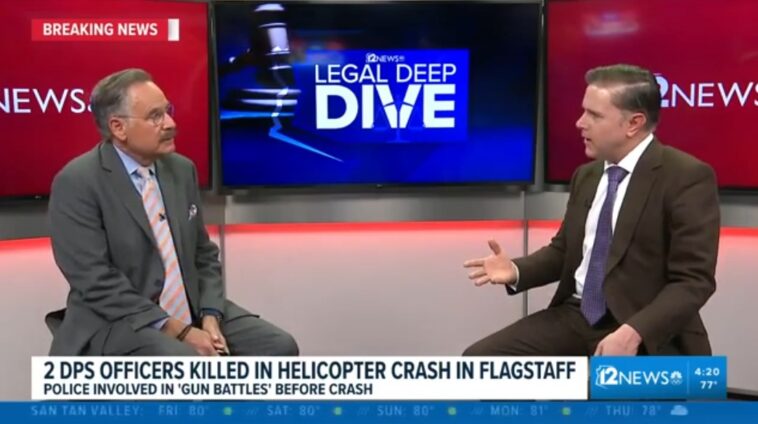
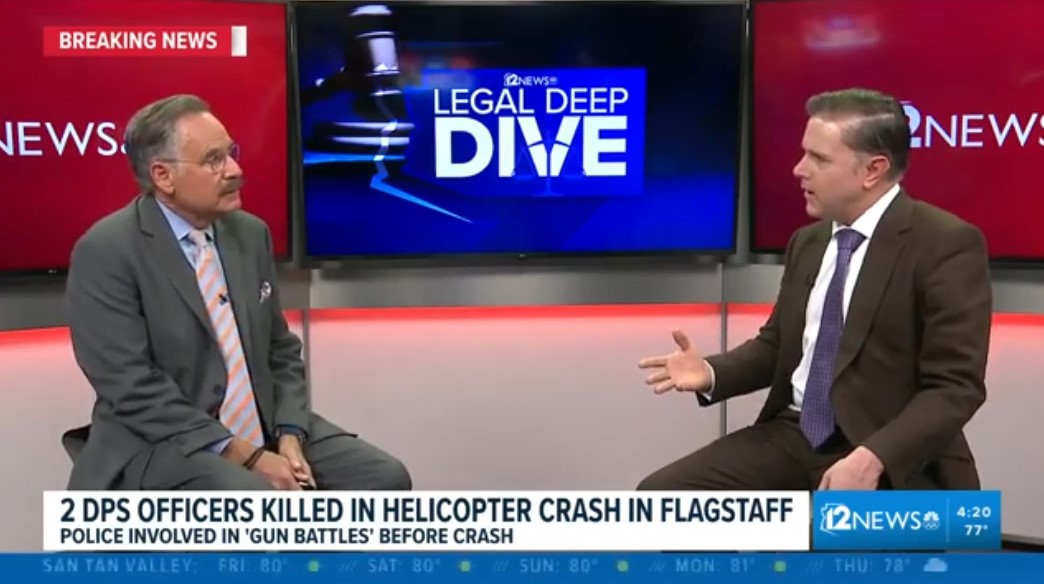
Defense attorney Josh Kolsrud has pointed out that even if the bullet that hit the helicopter belonged to a police officer, felony murder charges could still stick. The reasoning behind this argument is straightforward: once the suspect’s actions create a dangerous battlefield—where even the police fire could lead to a fatal outcome—the actual shooter of the fatal bullet becomes less significant than the broader context of chaos and risk.
Exploring the Firepower: How Gunfire Sets the Chain Reaction
Gunfire is inherently unpredictable. The way bullets ricochet or end up striking unintended targets is part of what makes the legal evaluation of such cases so loaded with issues. The suspect’s choice to engage in a firefight with law enforcement, especially when a helicopter is overhead, is seen as creating a scenario where any number of outcomes are possible, including tragic ones.
Legal experts stress that under this framework, it is not necessary to prove who exactly fired the shot that resulted in a fatality. Instead, what matters is that the suspect initiated a sequence of events in a situation already tense, where violence was full of problems. This narrative, which centers on the dangerous nature of the act rather than pinpointing a specific act of killing, illustrates the core logic behind felony murder charges.
Reasoning Behind Predictability and Responsibility
At its heart, the felony murder rule is built on the idea that any death that is a probable outcome of dangerous conduct should be met with severe consequences for those who take part in that conduct. This approach is based on several key points:
- Foreseeability: The legal system expects that anyone engaging in risky, armed behavior in a charged environment must anticipate a deadly result.
- Dangerous Environment: When a law enforcement helicopter is part of the scene, the stakes are high—every bullet fired becomes a potential catalyst for disaster.
- Chain Reaction: The problematic combination of an active firefight and high-speed pursuit means that even small mistakes can lead to overwhelming outcomes.
In this context, once a suspect decides to enter into a high-risk exchange, they are seen as intellectually accepting the possibility of fatal outcomes, regardless of whether they actively intended to kill someone.
Differences Between Past Incidents and the Present Case
Comparisons to historical cases can illuminate how subtle parts of similar incidents have shifted legal interpretations. For instance, a well-known case in 2007 involving a collision between two media helicopters during a high-speed chase did not result in felony murder charges. In that case, prosecutors found the circumstances not sufficiently predictable to warrant such a severe charge.
However, the recent incident differs in several critical ways:
- Nature of the Helicopter Involvement: In the recent case, the helicopter was directly involved in the law enforcement pursuit, not merely covering an event. This factor plays a significant role in making fatal outcomes more likely.
- Suspect’s Conduct: There is credible indication that the suspect might have been actively firing in the direction of the helicopter. This behavior heightens the risk of an accident, making the legal argument for foreseeability much stronger.
- Overall Scenario Complexity: The chaotic environment of an active firefight, combined with the involvement of airborne law enforcement assets, creates a landscape where dangerous actions naturally lead to worryingly predictable outcomes.
These differences underscore the fact that each case, although sharing similar superficial elements, has its own twists and turns that can drastically alter the legal interpretation of foreseeability and responsibility.
Unraveling the Twists and Turns of Legal Accountability
At the core of felony murder cases is an expectation that a suspect will bear full responsibility for any potential deadly outcomes arising from their choices. This view is designed to serve as a strong deterrent against engaging in behavior that could lead to unintended but catastrophic consequences.
Yet the legal process is not without its confusing bits. Determining exactly when a suspect’s actions cross a threshold—from reckless behavior into extremism warranting a felony murder charge—involves wrestling with several subtle details:
- Foreseeability vs. Intent: The legal system treats foreseeability as a stand-in for intent. It raises the question of whether it is just to punish someone for outcomes they did not specifically set out to produce.
- Chain-of-Events Responsibility: In cases where multiple variables contribute to a death—like bullets from different sources—the focus remains on the initial dangerous choice rather than pinpointing every contributing factor.
- Role of External Variables: Elements such as weather, situational chaos, and rapid response measures from law enforcement can all muddy the waters when courts try to determine the clear line between risk and recklessness.
Legal professionals often have to figure a path through these tangled issues by dissecting the nitty-gritty details of the case. This includes re-examining how each snippet of evidence fits into the overall narrative of foreseeability.
Assessing Legal Risks: A Closer Look at the Evidence
For law enforcement and prosecutors, gathering and assessing evidence in such complicated cases requires a keen understanding of what makes one scenario significantly more dangerous than another. This includes analysis of several super important points, such as:
- Bullet trajectories: Even if a fatal shot came from an officer’s weapon, if the environment was made deadly by the suspect, then the suspect’s liability is anchored in their original decision to engage in reckless behavior.
- Eyewitness accounts: Testimonies during chaotic firefights can be inconsistent. However, the overall picture often indicates whether the suspect’s actions created conditions where fatal outcomes were a natural risk.
- Forensic evidence: In these cases, forensic testimony is crucial in establishing the sequence of events that link the suspect’s conduct to the final outcome.
When all these factors combine, they help build a legal narrative that, even without a clear intent to kill, points to highly dangerous conduct. It is in these moments that the law resorts to the felony murder rule as a tool to hold individuals accountable when lives are lost in the ripple effects of their actions.
Beyond the Classroom: Real-World Implications for Defendants
The issue of foreseeability in felony murder cases transcends academic debate. The ramifications for defendants are both immediate and profound. The possibility of facing life sentences or even the death penalty makes this a nerve-racking prospect for anyone involved in such high-stakes confrontations.
For those charged under these provisions, the stakes are raised not just legally, but emotionally and socially, as the outcome of such cases affects families, communities, and the public’s trust in law enforcement and the judicial process alike.
When a case unfolds against the backdrop of aggressive law enforcement measures and unexpected twists, defense attorneys must work diligently to steer through the maze of legal arguments. They have to balance the technical details of the evidence with broader questions of fairness—an effort that often involves both legal maneuvering and resonant moral questions.
Strategies for Legal Defense in High-Stakes Felony Murder Cases
In light of the complicated pieces of law that underpin these cases, defense strategies tend to focus on several key angles:
- Questioning the Cause-Effect Link: Defense lawyers may argue that the chain of events is too stretched, and that the suspect’s actions did not logically or inevitably lead to the fatal outcome.
- Highlighting External Contributions: By emphasizing the unpredictable factors—such as the involvement of law enforcement and chaotic conditions—defense teams can argue that the fatal result was an abnormal and unplanned occurrence.
- Focusing on Procedural Errors: In high-pressure cases, procedural missteps in the gathering or presentation of evidence can provide grounds for mitigating charges or even dismissal.
These defense tactics highlight the need for legal teams to dig into all the small distinctions and subtle details present at the scene. It’s a process that requires patience, a deep understanding of legal fine points, and the readiness to challenge every piece of forensic evidence and every eyewitness statement that might contribute to the narrative of inevitability.
Comparing Federal Versus State Approaches to Felony Murder
It is also essential to consider how federal and state systems differ in applying felony murder rules. Much of this difference lies in how foreseeability is interpreted and the type of evidence considered acceptable in linking a suspect’s behavior with a fatal outcome.
Federal prosecutions often carry more weight, given that the crimes in question disturb a broader spectrum of society, and with them, the potential for higher penalties. In such settings, the following points typically stand out:
- Uniformity of Standards: Federal cases need a universal application of legal thresholds, meaning that the decision to press felony murder charges is built on clear and established legal principles.
- Impact on Community Sentiment: Cases with deadly outcomes in federal court can lead to national-level debates about justice and accountability. This can influence how judgments are rendered and what sentences are imposed.
- Evidence Requirements: Federal prosecutors are often expected to piece together even the smallest twists in the case’s timeline to create a cohesive narrative. This involves a meticulous examination of fine points in evidence collection and witness statements.
By contrast, state courts may sometimes allow for more context-specific defenses that take into account local conditions or the particularities of the case. Nonetheless, the fundamental challenge remains the same: proving that the suspect’s actions created a dangerous situation where death was not only possible but foreseeable.
Legal Precedents and the Future of Felony Murder Charges
Historical cases provide a roadmap of how courts have evolved in their interpretation of felony murder. Through several decades, the debate over whether a person’s conduct should be punished to the fullest extent when death results—regardless of intent—has led to varying legal opinions. Some judges see it as a necessary tool for deterrence, while others contend that it unjustly punishes someone for unpredictable outcomes.
This debate continues to be super important, as societal expectations evolve and as legal scholars continually reexamine whether the current framework is both fair and effective. The notion that a single reckless act can lead to the most severe of punishments remains a deeply contentious issue, especially when the defendant’s original aim was not necessarily to cause harm but to participate in a dangerous confrontation.
Recent cases, such as the one involving the law enforcement helicopter, serve as modern examples to force this dialogue. They push legal institutions to figure a path where justice is balanced with cautions against overreach. In doing so, they make us question whether a one-size-fits-all approach truly serves the interests of fairness and public safety.
Defining the Role of Foreseeability in Modern Jurisprudence
At its core, the application of felony murder charges in today’s legal landscape hinges on proving that a suspect’s conduct created an environment where fatal results were predictable. This principle of foreseeability is central to modern interpretations and serves as the keystone for many high-stakes criminal cases. However, practical application raises a number of challenging points:
- Evaluating Evidence: Courts must sift through layers of evidence to determine whether a suspect’s actions indeed made a death predictable or if the outcome was merely coincidental.
- Understanding Contextual Risks: High-tension scenarios like those involving police chases and aerial support present unique risk factors. Law enforcement’s response methods can inadvertently contribute to the overall danger of the situation.
- Legal Interpretations of Predictability: Different judges and juries may interpret the concept of foreseeability in subtly varying ways, which in turn can lead to divergent outcomes in similar cases.
Thus, while the legal framework emphasizes that a life lost during a risky felony should be met with harsh penalties, the actual determination of foreseeability remains mired in the small distinctions and hidden complexities of each case’s unique setting.
Exploring the Economic and Social Costs of Felony Murder Charges
Beyond the immediate legal outcomes for the defendant, felony murder charges have broader implications on society. They impact not only the accused but also the communities in which these incidents occur and the overall trust in the judicial system. The social and economic consequences are worth exploring:
- Community Relations: When a high-profile case surfaces, particularly in areas already on edge, the perception that someone is being excessively punished can polarize the community. It can lead to public protests, media scrutiny, and a general feeling that justice might not be equally applied.
- Legal Costs: Prolonged court cases and extensive legal proceedings in felony murder cases generate substantial legal fees for both the state and the defense. These costs can strain public resources.
- Long-Term Impact on Families: Not only does the accused face severe penalties, but the families of the victims and the defendant alike endure lasting emotional and financial hardship.
This blend of social and economic impacts forces legislators and legal experts to carefully weigh the benefits of the felony murder rule against its potential for unintended societal repercussions. The debates are loaded with problems that require balancing public safety with a fair and individualized approach to justice.
The Road Ahead: Reforming a Controversial Legal Doctrine
Given the complex pieces of evidence and the severe implications tied to felony murder charges, there is a growing call for legal reforms. Advocates for reform argue that while the motive behind such charges is to deter dangerous criminal behavior, the current application of the law might sometimes punish individuals too harshly for outcomes that were not directly intended.
Proposed changes include the following points, which are critical for guiding future cases:
- Revisiting the Concept of Foreseeability: Lawmakers could consider whether it is fair to equate reckless conduct in a tense environment with intent to kill, or if a more nuanced approach is needed.
- Enhanced Legal Protections for Defendants: By establishing clearer standards for when a death is deemed a predictable consequence, courts could reduce instances where defendants face the most extreme penalties without clear evidence of intentional harm.
- Balancing Deterrence with Fairness: Any reforms would need to ensure that while dangerous behavior is still discouraged, individuals are not unduly punished for circumstances that spiraled out of their control.
Legal scholars and practitioners are increasingly debating these proposals as they continue to poke around the tiny twists of current case law and strive for a system that better aligns with contemporary values of fairness and justice.
The Role of Experience in Shaping Legal Outcomes
One element that consistently appears in such cases is the contrasting experience of legal practitioners. For example, a defense attorney who has seen hundreds of trials and has worked both as a prosecutor and as a defense lawyer brings a unique perspective to high-stakes felony murder cases.
Josh Kolsrud, a seasoned attorney with extensive experience at both state and federal levels, is one such legal expert who understands not only the legal process but also the human elements at play in these tense situations. His insights serve to remind us that while legal rules offer a framework, the subtle details—the fine shades and little twists of each case—often dictate the final judgment.
This dual perspective is essential when assessing whether the suspect’s actions rendered a fatal outcome predictable. With years of experience prosecuting and defending major crimes, attorneys like Kolsrud are well positioned to evaluate both sides of a case. Their involvement highlights the nerve-racking challenges inherent in working through such charged legal scenarios.
Public Perception and the Media’s Role in Shaping Legal Debates
The way cases like the helicopter incident are reported in the media has a profound impact on public perception of justice. Headlines and televised debates often focus on the most extreme aspects of the case—violent exchanges, high-speed chases, and the potential for severe punishment. This media coverage can further complicate the already tricky parts of legal proceedings.
Journalists and legal commentators alike have a responsibility to steer through the maze of facts and present a neutral perspective. In doing so, they help the public understand the tangled issues surrounding the felony murder rule. The responsibility lies not only in reporting the event but also in helping readers distinguish between the suspect’s actions and the subsequent legal interpretations that follow.
By emphasizing the importance of context, balanced language, and a critical look at legal precedents, media outlets can contribute constructively to the ongoing debates about whether the existing framework fairly punishes dangerous behavior without unfairly implicating defendants in outcomes they did not specifically intend.
Key Takeaways for Law Enforcement, Legal Practitioners, and the Public
Reflecting on the many angles of felony murder charges in high-tension scenarios, several super important points come into focus:
- Foreseeability Is Central: The legal theory rests on the principle that any death predictable as a consequence of dangerous conduct should be subject to full accountability.
- The Role of Environment: Whether or not the suspect intended to kill, a dangerous and charged environment, especially one involving law enforcement helicopters, makes lethal outcomes far more likely.
- Comparative Case Analysis: Evaluating similar past incidents provides context but also highlights how subtle differences in circumstances can change the legal stakes significantly.
- Defense Strategies Matter: Defense attorneys must carefully challenge the evidence and present alternative narratives that question the clear-cut predictability of a fatal outcome.
- Legal Reforms Are on the Horizon: The controversy over felony murder charges has sparked discussions about reforming the doctrine to better balance deterrence with fairness.
These points are critical for stakeholders across the board—from law enforcement officers making split-second decisions in the field, to prosecutors building their case, to the public trying to understand whether justice is served in high-stakes situations.
Final Reflections: Balancing Justice and Accountability in a Tense Legal Environment
The discussion surrounding felony murder charges in cases involving high-stakes incidents like the police helicopter firefight is representative of a broader legal dilemma. On one hand, the law must hold individuals accountable when their actions create a dangerously charged environment that inevitably leads to loss of life. On the other hand, the principles of fairness demand that we take into account the unpredictable nature of such scenarios and avoid punishing someone for every twist and turn that can occur during a volatile event.
This debate is not merely academic—it has real-world implications for how justice is administered. When a suspect’s reckless behavior during a tense firefight results in unintended fatalities, the legal system is forced to reconcile the dual goals of deterrence and proportionality. By thoroughly examining each case, highlighting the subtle distinctions in evidence, and considering past precedents, legal actors aim to get into a balanced approach to these highly charged issues.
Ultimately, the ongoing dialogue in legal circles about the applicability of felony murder charges is a reflection of a society grappling with challenging questions around responsibility, fairness, and the consequences of dangerous actions. As law enforcement strategies evolve and as societal attitudes shift, it is clear that the way we interpret and apply these charges will continue to be an area where both legal experts and the public must work together to find a just path forward.
Conclusion: Towards a Thoughtful Jurisprudence in High-Risk Criminal Cases
In wrapping up our examination of felony murder and its role in cases like the Flagstaff police helicopter incident, the need for a measured approach becomes evident. Through discussions about foreseeability, the role of dangerous conduct, and the many confusing bits and subtle details of such cases, we see that legal responsibility in high-stakes scenarios is a full-of-problems and emotionally charged subject.
While the legal system must undoubtedly discourage reckless and harmful behavior by imposing severe penalties, it is equally important to ensure that every defendant receives a fair evaluation based on the complete context of their actions. Balancing these interests remains a nerve-racking challenge for lawmakers and judges alike, as they continue to sort out a clear and just standard for when deadly outcomes should raise the specter of felony murder charges.
This ongoing dialogue should remind all of us—from legal practitioners and law enforcement officers to everyday citizens—that justice is not always black and white. Instead, it is a delicate blend of legal principles, societal expectations, and an understanding of the hidden complexities that underlie each case. As we look towards potential reforms and evolving legal interpretations, the lessons from such high-stakes cases serve as a beacon, urging a more thoughtful, balanced, and ultimately fair approach to criminal accountability in our modern legal landscape.
Read more about this topic at https://kolsrudlawoffices.com/flagstaff-dps-helicopter-crash/
Related articles you might like
Felony murder rule
FORESEEABLE DEATH IN FELONY MURDER