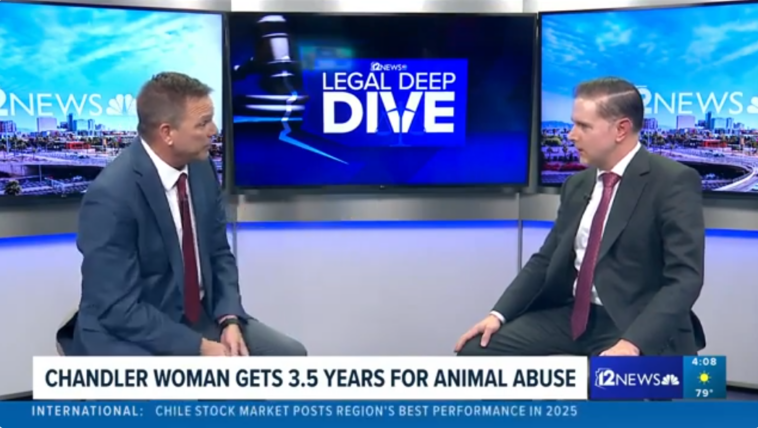
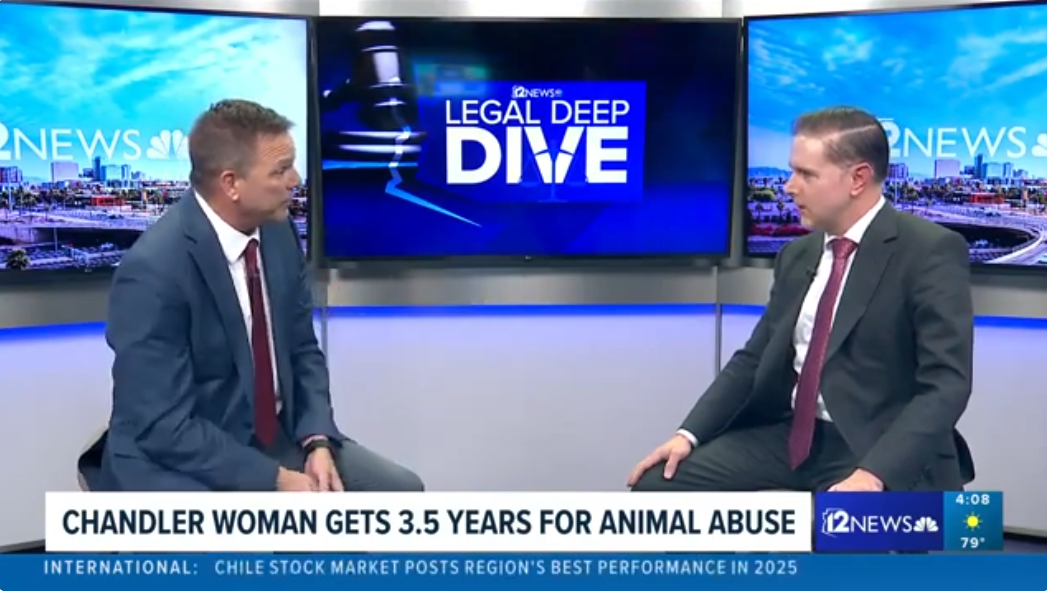
Why Full Accountability Was Inevitable: Exploring the April McLaughlin Case
The April McLaughlin case has sparked extensive discussion among legal scholars and practitioners alike. In this opinion editorial, we take a closer look at how multiple felony convictions and a hefty financial crime created a scenario where prison time was unavoidable under Arizona law. It is a story that highlights the tricky parts of our legal framework, the tangled issues surrounding mandatory sentencing, and the complicated pieces that come into play when financial exploitation overshadows other allegations.
In the courtroom, every detail matters and each conviction adds layers of responsibility that judges have to enforce. While the public was understandably fixated on the animal abuse allegations, seasoned defense attorney Josh Kolsrud argued that it was, in fact, the financial crimes that played the key role in the severity of the prison sentence. In this article, we will get into various aspects of the case and examine why the sentence was not an isolated decision, but one deeply rooted in established legal principles.
Understanding Multiple Felony Convictions in Arizona Law
Arizona law treats each felony conviction, especially those committed on different dates, as a separate offense warranting significant penalties. This case underscores how multiple charges, even if connected by similar themes, require the court to impose mandatory prison time for each conviction. When judges are faced with several distinct sentences, even if some are related to less severe allegations, the overall punishment is largely dictated by the most substantial charges.
Key points to consider include:
- Each conviction on a different date escalates the overall sentencing framework.
- Mandatory minimum sentences for felonies leave little room for judicial discretion.
- The cumulative nature of penalties in a multi-felony case guides the jail term imposed.
These aspects hint at the fact that making your way through such a legal labyrinth can be nerve-racking, given that even the so-called “minor” charges add up to a massive sentence when aggregated.
Dissecting the Financial Crime: The $150,000 Theft Charge
One of the major elements in the sentence handed down to April McLaughlin was the theft and fraud involving $150,000 stolen from her elderly mother. This charge is no small matter—it is classified as a Class 2 felony, ranking it among the most physically challenging and severe offenses under the Arizona criminal code.
When we get into this issue, here are some of the critical observations:
- Severity: A Class 2 felony carries one of the highest levels of legal consequence, particularly when it involves the exploitation of vulnerable populations.
- Impact: The financial exploitation of an elderly individual is seen as especially egregious and therefore garners a longer sentence.
- Sentencing Weight: The financial crime was the main driver of McLaughlin’s prison term, largely because theft-based charges can be far more intimidating than other related charges.
It is essential to note that while animal cruelty on its own might have resulted in a lighter penalty, the seriousness of the theft of a substantial sum from a defenseless individual significantly impacted the overall punishment. For many, such cases serve as a stark reminder of the delicate balance between multiple charges and the cumulative effect on sentencing.
The Seven-Year Ban on Animal Ownership: A Legal Remedy Grounded in Statute
The sentence also included a seven-year ban on owning animals—a restriction that might seem unusual at first glance but is in fact well established in Arizona’s legal framework. Judicial discretion allows judges to impose such bans in cases of animal abuse, independently of any probation terms or other sentencing considerations.
This aspect of the case raises several important points:
- Statutory Authority: Arizona statutes empower judges to prohibit animal ownership for periods they deem appropriate when abuse is involved.
- Judicial Discretion: The decision to impose a seven-year ban underscores that such measures are not arbitrary but are based on specific legal precedents and statutory mandates.
- Preventive Measure: This ban is intended as a safeguard to protect animals from further harm by individuals who have demonstrated a propensity for abusive behavior.
Though the imposition of this ban might appear as a symbolic gesture for some, in reality it is a super important element of the overall punishment scheme, ensuring that those who commit animal abuse are also prevented from engaging in future incidents that could have harmful ramifications for innocent parties.
Dissecting Mandatory Sentencing: The Fine Points of Judicial Decisions
In cases like April McLaughlin’s, the judicial process is laden with subtle parts and hidden complexities. By working through the maze of legal requirements, judges must impose sentences based not only on the nature of the crimes but also on factors such as the dates on which the crimes were committed and the overall public safety considerations.
Some of the little details that make these cases particularly challenging include:
- Multiple Offenses: Each offense carries its own mandatory minimum, which together add up to a punishment that seems almost inescapable.
- Mandatory Guidelines: Arizona’s sentencing guidelines provide little wiggle room for leniency, often leading to admonitory consequences even for first-time offenders or in those cases where mitigating circumstances might exist.
- Public Outcry: High-profile cases, especially those involving animal cruelty or the exploitation of the elderly, can intensify the pressure on judges to deliver tough sentences.
The fine points of many rulings in such cases underscore that the statutory guidelines are designed to ensure a consistent application of justice. It is not merely the nature of a single offense but the sum of all offenses, taken together, that informs the final outcome in the courtroom.
Implications for Legal Defense Strategies in Multifaceted Cases
Defense attorneys face both tricky parts and overwhelming challenges when representing clients charged with multiple and varied felonies. In cases like McLaughlin’s, the legal defense has the daunting task of addressing not one, but several charges, all while contending with mandatory sentencing provisions that limit any potential for leniency.
The following table highlights some of the key challenges and corresponding defense strategies:
| Challenge | Description | Defense Strategy |
|---|---|---|
| Multiple Charges | Handling simultaneous charges that add up to a heavy sentence. | Undertake a comprehensive review of charge significance; argue for separate hearings if viable. |
| Mandatory Minimums | Strict sentencing guidelines offer limited judicial flexibility. | Focus on mitigating factors to appeal for reduced sentences where possible. |
| Public Opinion | High profile cases can lead to jury prejudice and excessive public pressure. | Ensure impartiality in jury selection and present robust factual challenges. |
| Combined Offenses | The cumulative effect of different felonies complicates sentencing. | Argue against the aggregation of sentences or seek alternative sentencing structures. |
Defense attorneys must not only find their way through the tangled issues of a multifaceted criminal case but also articulate the influence of each charge on their client’s overall legal rights. The art of legal defense, in this respect, is a blend of tactical know-how and a deep understanding of the law’s subtle details.
Working Through the Seven-Year Ban: A Closer Look at Protective Measures
The seven-year ban on animal ownership embedded in McLaughlin’s sentence is a clear demonstration of how state laws are designed to protect the vulnerable. Though it might seem like an off-putting addition to an already severe sentence, such bans serve a preventive purpose by precluding the possibility of repeat offenses.
Here are some key reasons this measure is both effective and necessary:
- Deterrence: A lengthy ban sends a clear message that abusive behavior towards animals will have long-lasting consequences.
- Protection: By temporarily barring guilty parties from owning animals, the law intends to shield other animals from potential harm.
- Rehabilitation: In some cases, the ban can function as a period during which the individual is expected to reflect on their actions and possibly seek treatment or counseling.
Although critics may argue that such a ban is excessively punitive, it is important to recognize that these measures are tailored to both penalize and prevent further abuse. The measure is rooted in statutory authority, not as a symbolic punishment, but as a direct application of the law’s intention to protect the innocent.
Lessons for the Legal Community: What This Case Teaches Us About Mandatory Sentencing
The McLaughlin case is replete with lessons for both legal professionals and the general public. It forces us to confront the challenges of mandatory sentencing laws, the balancing act between multiple charges, and the need for vigilant legal defense. As the case demonstrates, what might initially appear to be a case fueled by animal abuse was, in reality, overshadowed by the all-important theft charge, which carries a significantly higher penalty.
Some of the key takeaways include:
- Mandatory sentencing for multiple felonies leaves little room for judicial discretion and often leads to inescapable prison terms.
- The weight of financial crimes cannot be overstated—especially those involving vulnerable individuals, as they trigger severe penalties under state law.
- The inclusion of additional measures, such as the seven-year animal ban, reflects a broader effort by the legal system to prevent future harm while enforcing punitive action.
For legal professionals, these lessons are both a cautionary tale and a call to continuously seek out ways to refine defense strategies. Representing a client with such a tangled web of charges requires understanding both the big picture and the fine shades of the law’s many twists and turns.
Challenges in Representing Clients with Mixed Charges: A Defense Attorney’s Perspective
From a defense attorney’s point of view, the dilemma in cases like this lies in confronting a stack of charges that each demand a different type of legal argument. When an individual faces charges that are practically off-putting in their severity—ranging from animal abuse to financial crimes—lawyers must be prepared to tackle each issue individually before presenting a comprehensive defense.
Some of the problematic areas include:
- Different Offense Timelines: How do you separate charges when they occurred on different dates?
- Contrasting Penalties: How do you mitigate a sentence dominated by a severe financial crime while the animal abuse charges suggest a lighter punishment?
- Jury Perception: Contending with public sentiment and bias, particularly when the charges involve sensitive issues such as the exploitation of an elderly parent or cruelty to animals.
These issues underscore the importance of a defense attorney who is not only experienced in Arkansas or federal law but who also knows how to work through each piece of the case with a balanced, objective eye. It is critical to get into the hidden complexities of the case and to develop a defense that addresses each charge in its own right, thereby offering the best possible outcomes for the client.
Effective Legal Representation: The Importance of Thorough Preparation and Detailed Knowledge
Defense attorney Josh Kolsrud, with his extensive background as both a prosecutor and a seasoned trial lawyer, exemplifies the type of professional capable of taking on cases that are filled with small distinctions and hidden complexities. Having navigated more than 100 trials, Kolsrud’s approach is characterized by meticulous preparation and an unwavering commitment to his client’s rights. His experience in both state and federal court has equipped him with the tools necessary to make your way through the dense legal issues that arise in high-stakes criminal cases.
Some of the super important aspects of his approach include:
- Experience in Major Cases: Handling cases that involve intricate charge details and navigating through multiple sentencing guidelines.
- Balanced Representation: Maintaining a neutral tone while rigorously defending each client’s legal rights.
- Comprehensive Analysis: Examining every charge to pinpoint opportunities for mitigating the overall sentence.
For anyone facing similar legal challenges, the lessons from the McLaughlin case and Kolsrud’s method of practice are critical. A defense attorney must be prepared to find their way through the maze of charges by addressing each small twist with a thorough understanding of both the law and the complexities inherent in cases that combine various felony convictions.
Policy Considerations and Future Reforms in Mandatory Sentencing
The McLaughlin case also opens the door for a broader discussion on the policies governing mandatory sentencing. While state and federal statutes are designed to deter criminal behavior through strict penalties, they can sometimes produce outcomes that many consider harsh, especially in cases with multiple charges where some offenses may be less severe on their own.
Key policy considerations include:
- Flexibility in Sentencing: Can the system allow for more nuanced consideration of mixed charges without compromising public safety?
- Balancing Punishment and Rehabilitation: How can sentences be structured to both penalize offenders and provide them with opportunities for rehabilitation?
- Impact on Vulnerable Groups: Ensuring that sentencing guidelines do not disproportionately affect those who may be less capable of mounting an effective defense due to socio-economic factors.
In recent years, discussions have emerged about potential reforms that might allow for a more tailored approach to sentencing. While mandatory minimums serve as a robust deterrent, there is a growing consensus that a system which can, when warranted, figure a path between severity and rehabilitation might ultimately serve the interests of both justice and society more equitably.
Legal Reforms: Striking a Balance Between Public Safety and Fair Sentencing
The question of whether current mandatory sentencing laws strike the right balance is one that continues to ignite debate among lawmakers, legal experts, and community leaders alike. Advocates for reform argue that mandatory sentences can sometimes be overly intimidating, leaving little room for judicial discretion or the consideration of mitigating circumstances.
Possible reforms include:
- Enhanced Judicial Discretion: Allowing judges to use a bit more leeway in cases where multiple charges might distort the true nature of the crime.
- Segregation of Charges: Evaluating whether certain charges, particularly those that would otherwise trigger mandatory minimums, could be re-assessed if adjudicated separately.
- Rehabilitation Programs: Incorporating mandatory rehabilitation or restorative justice features into the sentencing process for cases where remedial measures could prevent future offenses.
While critics of mandatory sentencing often label the current system as too off-putting and rigid, supporters emphasize that strict sanctions are necessary to protect the public and deter serious crimes. The ongoing debate reflects the tense balancing act behind every courtroom decision—the pursuit of justice must be both effective in its deterrence and fair in its application.
What the McLaughlin Case Reveals About the Intersection of Public Sentiment and Legal Mandates
The high-profile nature of the McLaughlin case has also highlighted how public opinion can, at times, influence the perceived fairness of mandatory sentencing laws. When allegations of animal abuse and exploitation of an elderly parent come to the forefront, public outcry can both support and complicate the legal process.
Some aspects to consider in this intersection include:
- Public Emotion vs. Legal Objectivity: High-profile cases often generate strong opinions that may not align with the nuanced arguments presented in court.
- Media Influence: The role of media in framing the issues can sometimes obscure the real legal challenges that defense attorneys and judges face.
- Maintaining Legal Integrity: Legal mandates must remain rooted in statutory guidelines despite the pressures from public sentiment.
In such cases, the legal process is forced to confront not only the nerve-racking details of statutory mandates and multiple charges but also the subtle details of how public perception impacts judicial decision-making. It underscores the responsibility of the legal community to remain steadfast and impartial, even when cases are full of problems and high emotions.
Conclusion: Learning from a Multifaceted Legal Challenge
In reviewing the April McLaughlin case, it becomes clear that the imposition of strict penalties—including a mandatory prison sentence and a seven-year ban on animal ownership—is a direct result of a layered and multifaceted legal process. While the animal abuse allegations captured public attention, it was ultimately the heavy financial crime—stealing $150,000 from a vulnerable family member—that drove home the severity of the mandated sentence.
This case serves as a powerful reminder of several core points:
- Each felony conviction, especially when committed on different dates, demands its own focus under the law.
- The financial exploitation of a vulnerable individual carries exceptionally severe penalties, often eclipsing other related charges.
- Statutory measures, such as the seven-year animal ban, play a critical role in safeguarding future innocent lives.
- Legal defense in high-stakes cases calls for a balanced approach that addresses both the overt charges and the hidden complexities of each case.
For legal professionals, policymakers, and the public at large, the McLaughlin case raises important questions about how best to balance deterrence, retribution, and rehabilitation in our sentencing laws. It invites us all to take a closer look at the working parts of our justice system and consider whether existing mandates serve both fairness and public safety.
Ultimately, the case is a reminder that the law is built on a network of intersecting rules and guidelines. While the twists and turns can make the legal process seem intimidating and overwhelming, each element—from the financial crimes to the animal abuse charges—is an essential piece of the broader puzzle of justice. As debates about mandatory sentencing and criminal reform continue, it is imperative that we maintain a commitment to thorough legal analysis, balanced defense strategies, and reforms that address both the critical needs of public safety and the super important rights of the accused.
For those who find themselves facing multiple charges or who wish to understand the complex, tangled issues surrounding felony sentencing in Arizona, the McLaughlin case offers numerous lessons. It is a stark illustration of how each little detail matters, and how the cumulative impact of different offenses can lead to outcomes that, while legally justified, raise important questions about fairness and proportionality.
As legal discourse evolves, it becomes clear that finding your way through these challenging cases requires not only expertise but also a willingness to dig into the subtle points of every charge. Lawyers must be ready to sort out multiple charges, work through sentencing complexities, and, above all, uphold the law in a manner that is both rigorous and just.
The McLaughlin case, with its mix of public controversy and intricate legal issues, provides a cautionary example of how mandatory sentencing guidelines can limit judicial flexibility despite the potential for mitigating circumstances. In the end, the layered nature of the offenses meant that the length of the prison term was not a matter of discretion, but rather the inevitable outcome dictated by a system that prioritizes public protection and legal consistency.
As the debate over sentencing reform and mandatory minimums continues, legal professionals must remain committed to ensuring that each client receives personalized, well-prepared representation. In so doing, they help to keep the justice system balanced, even as compulsory penalties and mixed charges continue to pose tricky parts and overwhelming challenges for all involved.
Read more about this topic at https://kolsrudlawoffices.com/april-mclaughlin-animal-abuse-sentencing/
Related articles you might like
Mandatory Minimum Penalties
RCW 9.94A.510: Table 1—Sentencing grid.